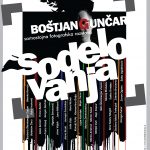
18.8 – 12.9.2021
Simon Chang (1978) je večkrat nagrajeni dokumentarni fotograf, rojen na Tajvanu, ki dela in živi v Evropi že od leta 2003. Je prejemnik več Slovenia Press nagrad, Kaoshuing nagrade, nagrade Golden Tripod in prestižnih nagrad za publikacije v Tajvanu, kjer je objavil šest fotoknjig.
V seriji fotografij Pastirji in klavnica se je Chang osredotočil na avtonomno regijo Kurdistana, ki se razteza čez sever Iraka, Sirijo, Turčijo in Iran in je bila skozi zgodovino pogosto kraj konfliktov in nasilja tudi s strani radikalnih islamskih skupin. Changova dokumentarna fotografija usmeri svoj pogled na zgodbe, ki tečejo pod razburkanim površjem skupnosti Kurdov, naroda, ki pravi, da so njihov edini prijatelj gore. Resnica se nam v seriji Pastirji in klavnica razkriva skozi paralele. Prikaže nam fotografije iz umobolnice Hawler za moške paciente, ki nosijo rane vojne proti Islamski državi globlje od kože. Odrinjeni na obrobje skupnosti, ki so jo varovali, v nas strmijo izpraznjeni lažnega upanja in zanosa, opominjajoč na Hemingwayeve besede iz knjige Zbogom orožje, da po vojni besede, kot so ”slava”, ”čast” in ”pogum”, postanejo obscene, brezpomenske. Vzporedno s tem spoznavamo svet znotraj klavnice v Duhoku, kjer živali ubijajo po pravilih Halala. Preveva jih industrijska krutost, prepletena s tradicionalno vlogo pastirja, ki opravlja svoje delo kot vodič v slikoviti pokrajini. Religija je postavljena pred neizprosno oko sočutnega opazovalca. Lepota pašnikov se konča v krvavečih truplih, v milostni, primerni smrti. Obzir do živali v klavnici odseva v občutku praznine umobolnice Hawler. Postavlja se vprašanje, kje je več humanosti, kateri boj se konča hitreje? Nad obema paralelama lebdi vsakodnevno življenje Kurdov. Poroke, praznovanja, šole. Ornamentirana oblačila, ljubezen in družina, vse se zliva v podobo vztrajnega ljudstva, ki ni obupalo nad sabo, nad sorojaki. Changova fotografija pri gledalcu ne izziva šokiranosti ali obupa nad človeštvom. Empatično nam razkriva resničnost, ki je ne moremo zanikati, ne glede na kot, iz katerega jo gledamo. Večplastnost življenja se odstira skozi tri navidezno nepovezane vidike kurdskega obstoja in prikazuje vplive nacionalnih konfliktov skozi posameznika, skozi intimno doživljanje vsakdana, ki je drugačen v vsaki Changovi paraleli, a neločljivo povezan z naslednjo.
Simon Chang (1978) is an established documentary photographer, born in Taiwan, who has been living and working in Europe since 2003. He is the receiver of many photography awards, such as multiple Slovenia Press Award, Kaoshuing Award, Golden Tripod Award and prestigious awards for the six photobooks he published in Taiwan.
In the Shepherds and the Slaughterhouse series, Chang has focused on the autonomous region of Kurdistan expanding over the north of Irak, Turkey and Iran that was the scene of many violent conflicts with radical Islamic groups. Chang’s documentary photography directs its view at stories that run under the unsteady surface of the Kurd community, the nation that says they have no friends but the mountains. In the Shepherds and the Slaughterhouse, the truth unveils itself in parallels. It shows us the photographs from the Hawler mental hospital for male patients that carry the wounds of the war against the Islamic State deeper than skin-deep. Pushed to the margins of the society that they protected, they stare at us emptied of false hope, reminding us of Hemingway’s words from Farwell to Arms, about the words ”glory”, ”honor” and ”courage” becoming obscene and meaningless after the war. Parallel to these men, we get to know the world inside the Duhoku slaughterhouse, where they slaughter animals following the Halal rules. Photos are filled with industrial cruelty that is interwoven with the traditional role of shepherds carrying out their job as guides in the picturesque landscape. Religion is put under the merciless eye of the empathic observer. The beauty of the meadows ends with bloody corpses, in the merciful, appropriate death. The compassion towards the slaughtered animals is reflected in the empty feeling of the Hawler mental hospital. It poses the question of where do we find more humanity, where does the fight end sooner? Above these two parallels, we find another layer, the everyday life of Kurds. Weddings, celebrations, schools. Ornamented clothes, love, family, everything flows into an image of a persistent nation that did not give up on themselves or their folk. Chang’s photography does not seek the shock response or the feeling of hopelessness about the humanity. It empathically reveals the reality that cannot be denied, no matter which angle we choose to look upon it. The multilayered life unveils through three seemingly unconnected points of view on the life of Kurds and displays the effects of national conflicts through an individual, an intimate experience of the everyday life that is different in each of Chang’s parallels, but inseparably connected with the next one.
V sodelovanju:


S podporo: